
Wedding Tips
The ceremony rehearsal: Does your planner or officiant lead it?
.webp)
A Lil Intro

Your wedding rehearsal is the first event to kick off your wedding weekend. It may seem like an easy task (you’re only gathering your loved ones, right?), but what should have been an exciting moment for you can suddenly feel like herding a flock of people together aimlessly. If your friends and family haven’t seen one another in a while, consider this even greater of a challenge!
Have no fear because your wedding planner and officiant are here! You might debate skipping a rehearsal entirely, but a ceremony rehearsal is an excellent way for everyone to get comfortable with the ceremony flow and place names with faces. A quick runthrough kicks some of the jitters aside for smooth sailing on the wedding day in front of your guests.
Your officiant and planner are both knowledgeable about ceremony processionals, choreography, and directing members of your wedding party to walk and stand so they look photogenic and comfortable.
But who guides this process? Depending on your preference, the rehearsal can be led by the planner, the officiant, or both. Follow these tips to decide who to have present during your rehearsal.
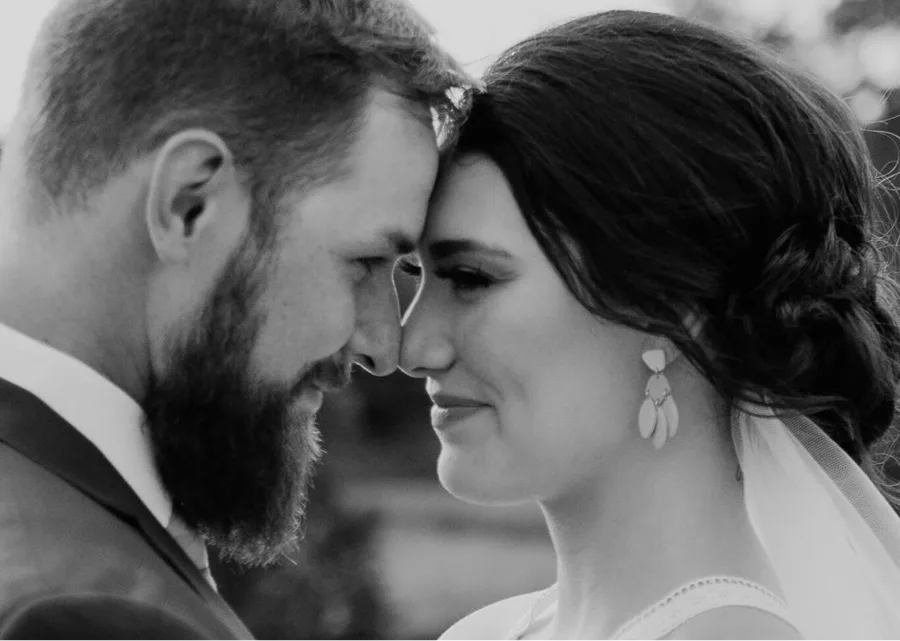
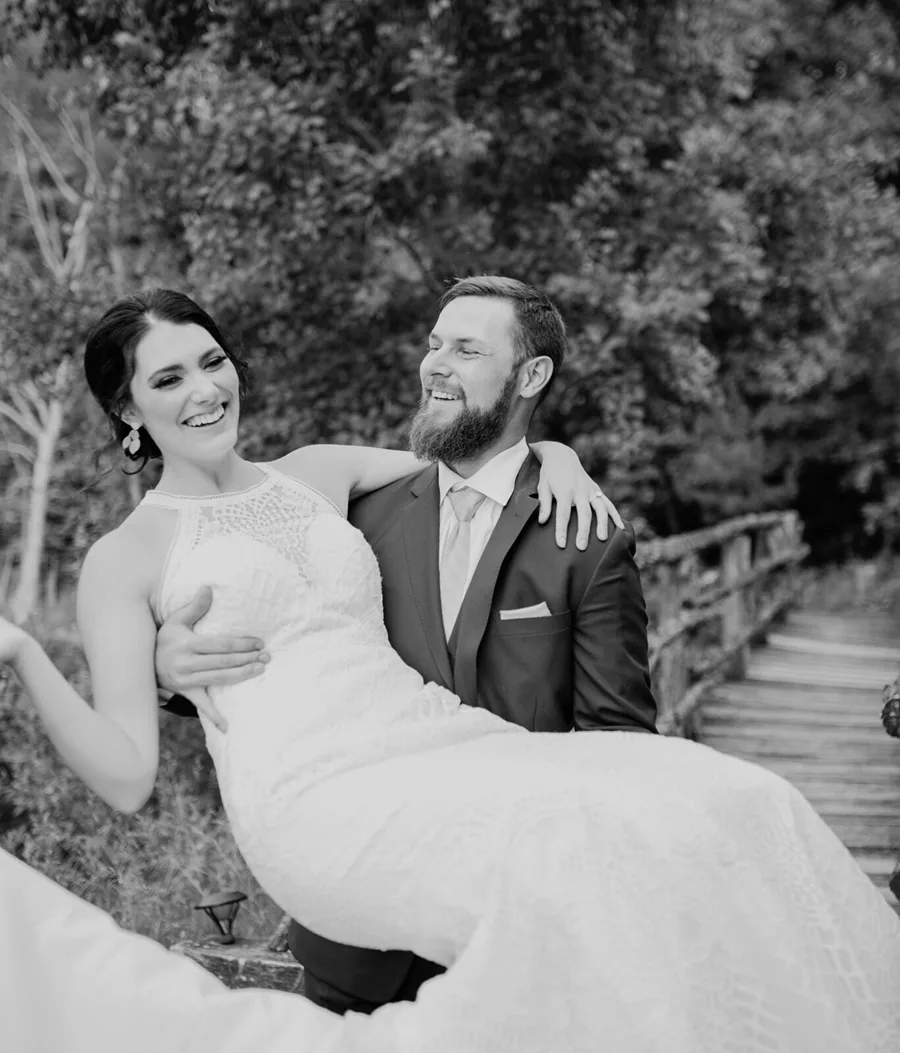
Keep things consistent by having your wedding planner direct the rehearsal
While your officiant can pause and direct your party during the rehearsal, they can’t interrupt the actual service to tell so-and-so when to walk or remind them to smile more since they’ll already be in front of your guests. Your planner can give each person a nod when walking and adjusting for last-minute flyaway hair touch-ups, straightening ties, fly zipping, and one last pep talk!
When your wedding planner directs the ceremony rehearsal, it allows you to have the ceremony order and details exactly as you’ve envisioned. Your wedding party will know who’s in charge of cueing them and trust this person’s direction.
If your ceremony incorporates specific religious or cultural elements, your officiant should direct the rehearsal
Your planner specializes in organizing the overall wedding details and professionally executing the day-of, whereas your officiant’s expertise is in conducting the ceremony For particular religious or cultural elements, your officiant will have prior knowledge on the best way to flawlessly incorporate any specific religious or cultural traditions throughout the ceremony. The more specific to a particular background, the better it is to have the officiant lead the rehearsal for the most efficient process.
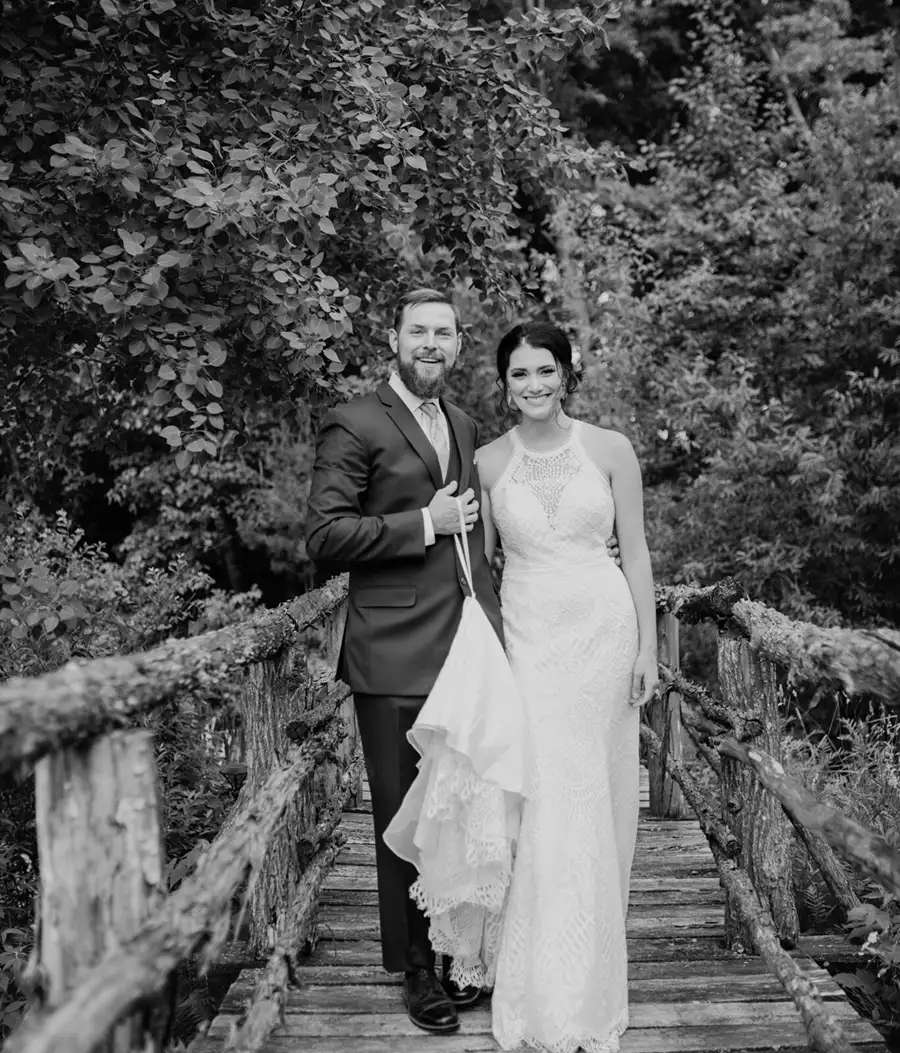
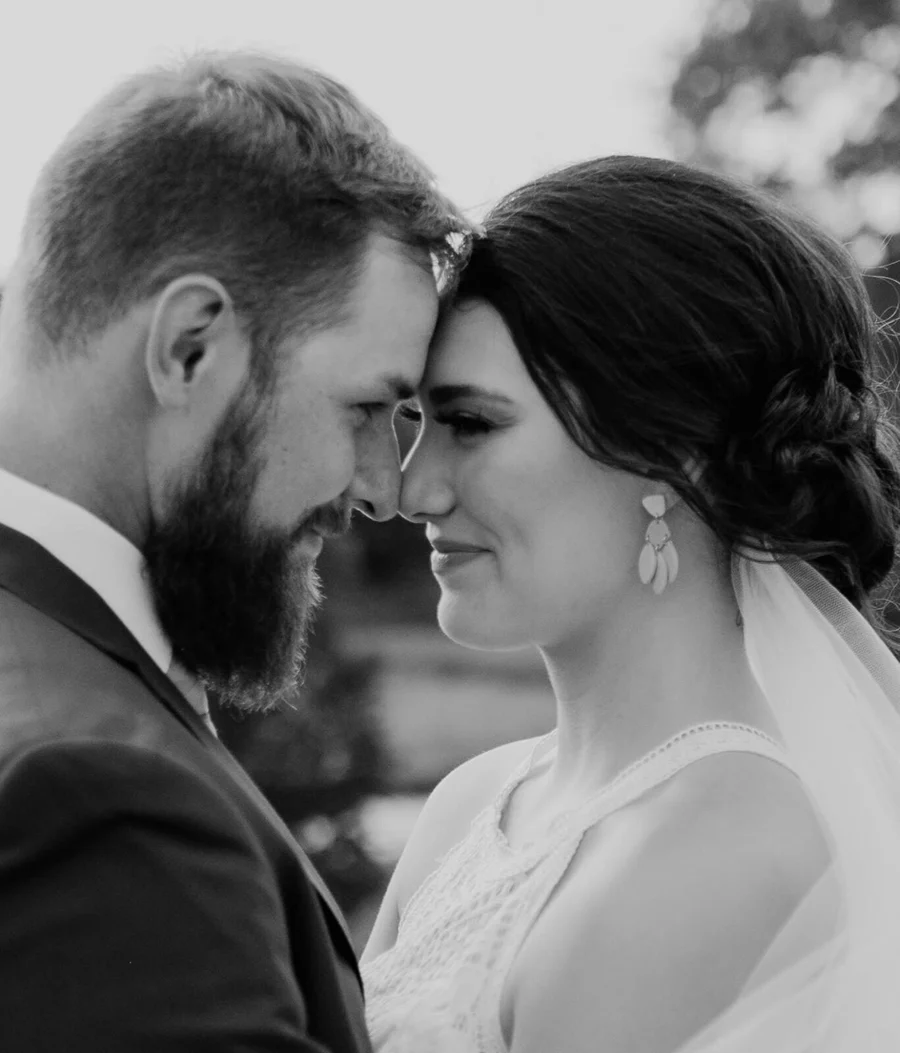
If you’re comfortable and familiar with your officiant, trust that they will know exactly what to do the day of without practice
During the rehearsal, you will generally NOT be going through your entire vows, readings, blessings, etc. You’ll do a quick run-through of the order of events without reenacting the whole thing. This is really for your benefit – the officiant already knows how it all goes!
If you’re comfortable and familiar with your officiant, they don’t need to attend the rehearsal. They’re a professional, and they’ve done this time and time again.
However, if you don’t know your officiant very well, inviting them to the rehearsal can be an excellent way to break the ice to feel more comfortable on the wedding day when they marry the two of you.
Lean on your wedding planner to help guide your family/friend officiant
If you’re using a friend or family member to officiate, we love it! However, this whole ceremony thing can be just as nerve-wracking for them. Let them tag-team the rehearsal with the planner, who can guide the ceremony process and cues they’ll need during the ceremony itself. The planner can cue the timing, walking pace, and stance while the officiant can takeover to run through the order of events. This way, your officiant can get more comfortable and practice a bit too.


Below is an example timeline of an ideal wedding plan:
12:30 PM – Bride puts on dress and bride individual photos
12:45 PM – Groom heads to first look location
1:00 PM – First look, letter reading, couple photos
2:00 PM – Bridal party photos
2:45 PM – Family Photos
3:30 PM – Family Photos done
4:00 PM – Hide away for Ceremony (eat something, drink water, have time alone together)
4:30 PM – Ceremony Starts
5:00 PM – Ceremony ends – cocktail hour begins
6:00 PM – Grand entrance with bridal party
6:15 PM – Dinner starts
6:30 PM – Speeches
7:00 PM – Cake cutting and dessert served
7:30 PM – Start Dances (couple’s first dance, father daughter, mother son, then open dance)
8:30 PM – Sneak away for golden hour photos
8:45 PM – Sunset time
9:00 PM – Return to dance floor
10:30 PM – Sparkler Send Off

Here is an example timeline for a wedding in the winter where the sun sets at 4:00 pm, and the couple wants to do their first look down the aisle.
12:00 PM – Groom and groomsmen group and individual photos
12:30 PM – Bride and bridesmaid group and individual photos
1:00 PM – hide before ceremony starts
1:30 PM – Ceremony begins
2:30 PM – Ceremony ends, guests head to cocktail hour
2:30 PM – Family group portraits
3:00 PM – Bridal party group photos
3:30 PM – Couple portraits heading into sunset
4:00 PM Sunset time, head to reception
4:30 PM – Cocktail hour ends, guests get seasted
4:45 PM – Grand March
5:00 PM – Dinner served
5:30 PM – Speeches
6:00 PM – Cake Cutting
6:30 PM – First dances
7:00 PM – Photography coverage done
The Bottom Line

Hopefully, you’re feeling a bit better now on the specifics of wedding rehearsals. The most important takeaway? Be sure to have fun during your rehearsal!
For a bonus tip, make sure you have a clear plan for who is bringing the marriage license the day of your wedding!
Photos by: Alyssa Raados Photography
Meet your
Officiants

Liz
(she/her)
Founder/Officiant
Liz founded Liz Rae & Co in 2015 during her best friend Maranda’s engagement. Her friend, Timmie, at the time also struggled with finding an LGBTQ-friendly officiant who custom-wrote ceremonies. Liz believes the ceremony is the best part of the wedding day and wanted to change the industry by emphasizing not only the importance of marriage ceremonies but inclusivity as well.
When she isn’t writing ceremonies, she’s working on editing her first novel and second fictional novels. She’s been writing her whole life, but gained her storytelling knowledge through Faber Academy’s novel program and UCLA’s TV and Film Writing degree. You can read some of her writing on her website, Liz Rae and more notably, on Thought Catalog. She also writes terrible Instagram poetry at @iamlizrae, but wouldn’t recommend reading it.
She speaks Spanish, some French, and some Italian, and she’s lived in France, Italy, Spain, Peru, the United Kingdom. She’s traveled to every continent except Antarctica.
She loves writing weddings of all kinds — her favorite part about the job is figuring out how to tell each and every story! She can’t wait to get to know you and be part of your wedding.
Liz founded Liz Rae & Co in 2015 during her best friend Maranda’s engagement. Her friend, Timmie, at the time also struggled with finding an LGBTQ-friendly officiant who custom-wrote ceremonies. Liz believes the ceremony is the best part of the wedding day and wanted to change the industry by emphasizing not only the importance of marriage ceremonies but inclusivity as well.
When she isn’t writing ceremonies, she’s working on editing her first novel and second fictional novels. She’s been writing her whole life, but gained her storytelling knowledge through Faber Academy’s novel program and UCLA’s TV and Film Writing degree. You can read some of her writing on her website, Liz Rae and more notably, on Thought Catalog. She also writes terrible Instagram poetry at @iamlizrae, but wouldn’t recommend reading it.
She speaks Spanish, some French, and some Italian, and she’s lived in France, Italy, Spain, Peru, the United Kingdom. She’s traveled to every continent except Antarctica.
She loves writing weddings of all kinds — her favorite part about the job is figuring out how to tell each and every story! She can’t wait to get to know you and be part of your wedding.

Ready to make your moment,
your moment?

Wedding Tips
Four Elements to Consider When Planning Your Wedding Ceremony Around Lighting
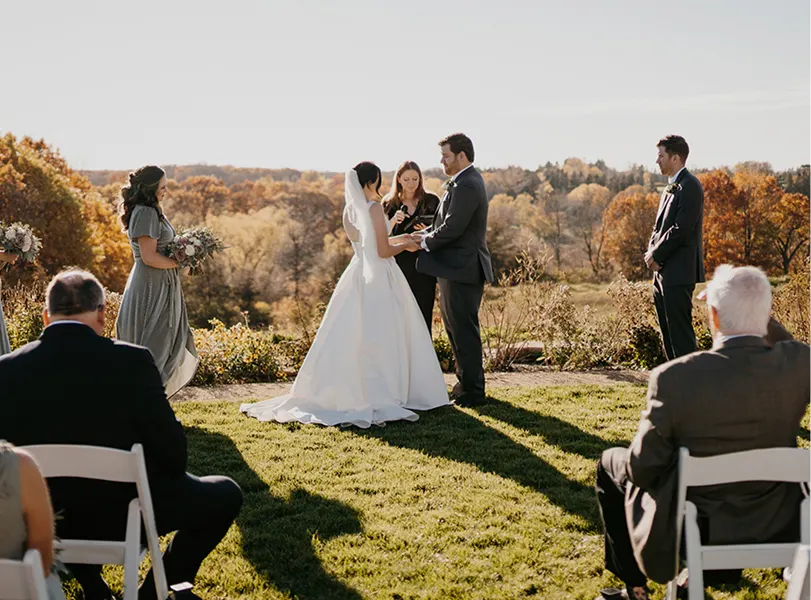
When planning your wedding, the first element on your mind probably isn’t the sun’s position at every hour. However, as you embark further on the planning process, considering lighting is especially important if great photos are one of your top priorities. While there are some typicalities behind wedding timelines, don’t overlook lighting when creating that schedule, as it can affect various photos throughout your wedding day.
Choosing a photographer that knows lighting makesallthe difference, so I teamed up with Lulle Photo to give you some pointers on how to structure your wedding ceremony around lighting so you look good while tying the knot.
Here are four elements to consider when planning your wedding ceremony around lighting.
Wedding Tips
4 Elements to Consider When Choosing Your Wedding Ceremony Photographer
So, you’re engaged and ready to start planning your wedding. Yay! Congrats! How exciting and…terrifying, at the same time. Two of the biggest (and usually most expensive) vendors you’ll choose for your day are your venue and your photographer.
Though, narrowing down which photographer to hire in a sea of photographers can be tricky, especially if this is your first time booking a professional. Even if you have previously worked with someone trained in photography, wedding photography is a whole new field, and it’s definitely not a vendor you want to skimp on.
If you’re wondering what the most important traits you should consider when selecting your photographer, Michelle from Wandermore Photography and me (Liz) compiled five elements to consider when browsing wedding photographers.

When Should You Book Your Wedding Officiant?
So, you’re engaged! Yay!
You probably know the venue and have already selected the photographer – you’ve got your main priorities covered!
But then what? You’ve got a laundry list of vendors to contact, meet with, and choose, And all this hassle on top of working at your day job while juggling every other priority in life.
And there are all these websites that give you conflicting, and often unrealistic, information about when to book your wedding vendors.